

Potatoes
Nutritional Benefits
Potatoes contain vitamin C, which acts as an antioxidant. Antioxidants may help prevent cell damage and cancer and promote healthy digestion and cardiovascular functions. Fiber: The fiber in potatoes helps to maintain a healthy digestive system and circulation.

The plant
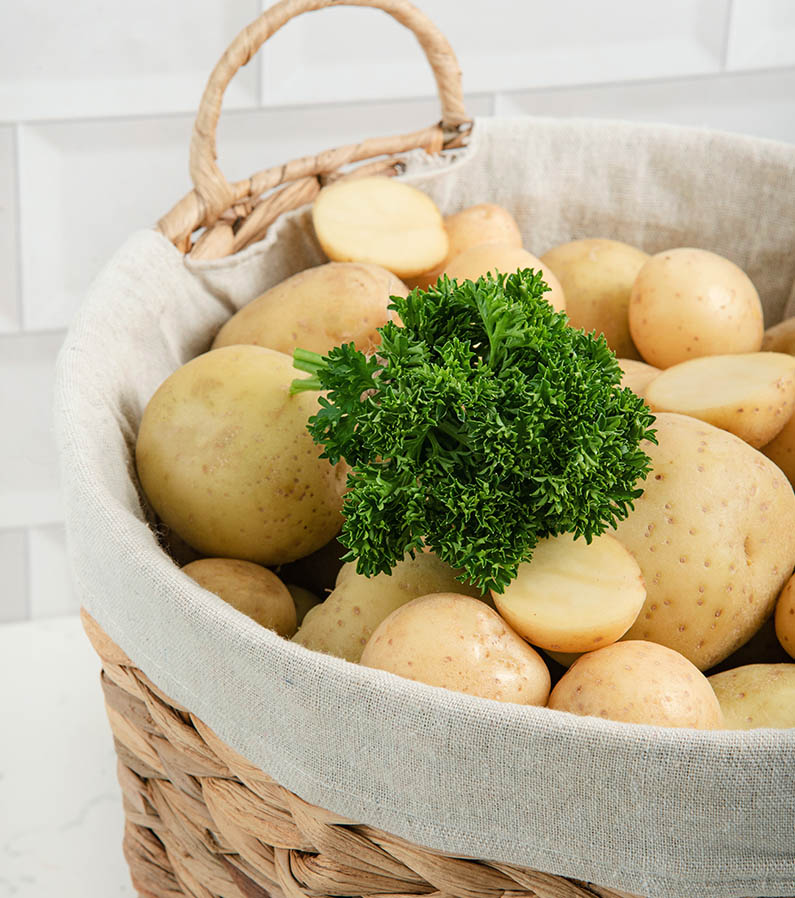
The potato (Solanum tuberosum) is an herbaceous annual that grows up to 100 cm (40 inches) tall and produces tubers, which are botanically thickened stems that are so rich in starch that they rank as the world’s fourth most important food crop, after maize, wheat and rice.
The potato belongs to the Solanaceae, and shares the genus Solanum with at least 1,000 other species, including tomato and eggplant. S. tuberosum is divided into two, only slightly different, subspecies: andigena, which is adapted to short day conditions and is mainly grown in the Andes, and tuberosum, the potato now cultivated around the world, which is believed to descend from a small introduction to Europe of andigena potatoes that later adapted to longer day conditions.
Soil type and pH
Potatoes will grow on most soils, organic as well as mineral ones. But, light and medium texture soils are recommended where mechanical harvesting is practiced, to avoid difficulties in harvesting when weather conditions are adverse at harvest time. Lowest possible soil pH is 5.5. Soil pH below 4.8 generally results in impaired growth.
Too alkaline conditions can adversely affect skin quality and can induce micronutrients deficiencies.
Growth period
Potatoes are usually ready for harvest 90-125 days after planting, depending on the variety and the size you want them to be.
Irrigation
During the early growth phase, until tuber formation, it is essential to keep the soil constantly and uniformly wet to a depth of at least 10-15cm. The frequency of irrigation cycles during this period should be determined according to the specific soil type and climate conditions.
During the second growth phase, during tuber development, irrigation will be less frequent and applied once every 3-5 days. This allows efficient root respiration and intensifying growth rate. Potatoes can be irrigated almost until harvest.

Limited oxygen
“Black heart” symptom of potatoes is caused by a limited supply of oxygen to the tubers during their storage, and cannot be alleviated by improved growth conditions.
Boron deficiency
“Hollow Heart”, by comparison, is characterized by formation of a cavity near the tuber centre, without any external indication of this syndrome. It is the result of soil boron deficiency. Rapid growth of the tuber, sometimes due to too low plant density, may cause this syndrome, too.
Chloride
Potatoes are sensitive to the chloride anion. Chloride damage is manifested by scorching of the leaf tips and margins, and leaves yellowing and distortion. Fertilization with chloride-free fertilizers will, therefore, contribute to increased yields and to the improvement of their quality.
Diseases
Major fungal diseases such as late blight, early blight, black scurf, fusarial wilt/dry rot, wart, powdery scab, charcoal rot and major bacterial diseases like soft rot, common scab, bacterial wilt and brown rot cause considerable loss to potato production in field and otherwise. Diseases such as late blight, early blight, fusarial wilt and black leg primarily affect the crop/foliage where as diseases such as black scurf, wart, powdery scab and common scab disfigure the tubers and reduce their market value. Some tuber diseases such as dry rots appear mostly in storage while others such as soft rot affect potato tubers at every stage.

Fertilisation Timing
Begin fertilizing potatoes 2 weeks after planting. Continue to apply fertilizer every 4 weeks. Stop fertilizing 2 weeks before harvest. Fertilizer needs to be watered in well to work properly. As you will not be watering your potato plants during the last 2 weeks before they are harvested, there is no need to fertilize.
Sowing and Planting Time
In frost free areas potatoes can be planted from August to early June the following year. In areas where frost is prevalent planting is best contained to the months August to December into early January.
Planting Method
Planting can be done by hand or mechanical planter. Plant the seed potatoes or tubers 150mm deep. Once the plants have grown to 25 to 30 cm in height the plants can be ridged to protect the stem from sun and tubers underground from pests.
Ridging is when the soil surrounding the young potato plants is used to build a ridge or mound in which the tubers can develop. This can be done mechanically or by hand.
Fresh from the Kitchen
using Potatoes

Fried Mashed Potato Balls
This easy recipe turns those sad leftover mashed potatoes into something extremely MAGICAL. Now you’ll never have (or even want) to toss out your leftover mashed potatoes.

Instant Pot Potato Soup
This soup is what an Instant Pot was made for. No need to boil potatoes for a long time or stand over a stove. Throwing everything in the Instant Pot will give you a delicious soup in about 40 minutes flat.
Loaded Slow-Cooker Potatoes
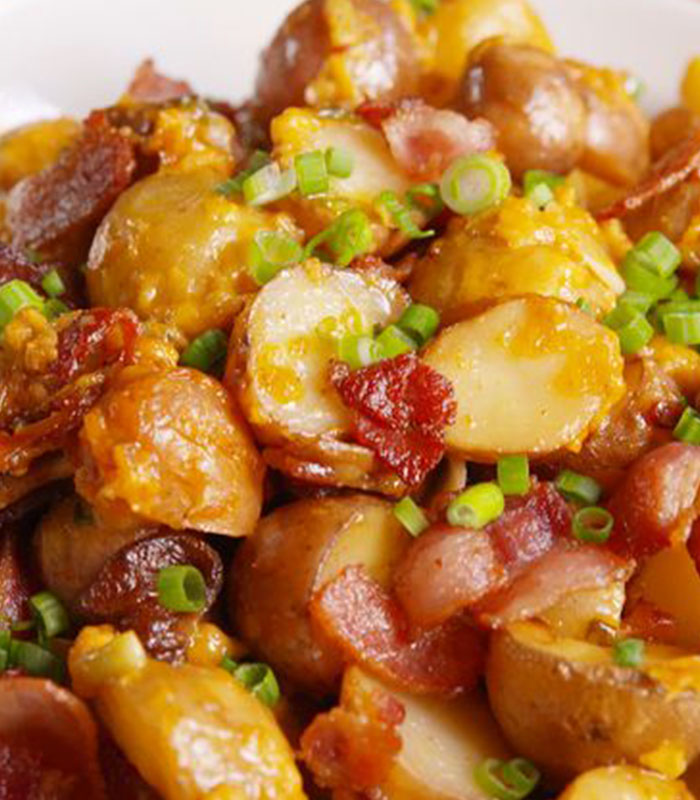
The only thing that can improve comfort food is not having to cook it. Making this amazing Loaded Potato recipe in your slow cooker is as easy as picking up the phone and order delivery.

Contact Us
Complete the form below
or call us on +27 (0)11 825 0659

We'd like to hear from you
Our team of experts is on hand to answer your questions.
In compliance with the new POPI Act, please take note of our Privacy Policy