

Ginger
Nutritional Benefits
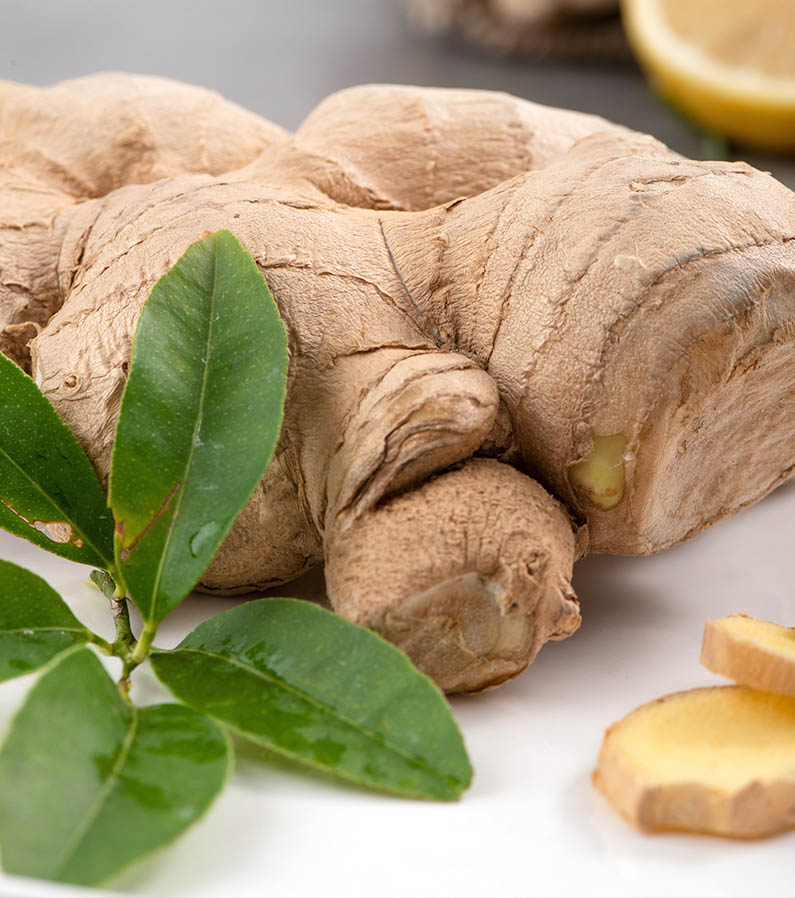
Ginger is loaded with antioxidants, compounds that prevent stress and damage to your body’s DNA. They may help your body fight off chronic diseases like high blood pressure, heart disease, and diseases of the lungs, plus promote healthy aging.

The plant
Ginger is grown for its aromatic underground rhizome. Above ground the plant is a bamboo-like shrub but with softer leaves and stem.
Soil type and pH
Ginger does best on a sandy loam soil that drains well. Soils should be high in organic matter.
Till the soil a month before planting. First spread about 30 m³ of compost or manure. Plough to about 500 millimetres mixing the soil well then prepare the planting beds. This is normally done with a disc harrow working the soil into planting ridges where the ginger rhizomes are planted.
Growth period
Ginger takes eight to nine months to produce a good-sized rhizome or tuber for the harvesting of mid-season ginger in April and May for the fresh market. Late ginger is harvested almost a year after planting in June and July. Late ginger is sold fresh but is also dried and ground or used to extract the oils. Early ginger is harvested in February and early March five to six months after planting before the rhizome has had time to build up fibre. Early ginger is normally harvested by hand to prevent damaging and bruising the rhizomes and is used in preserves.
Irrigation
It is a good practice to apply mulching along the plant rows. This keeps the soil from losing moisture and controls the growth of weeds. Ginger does well in high rainfall regions, so irrigation is important over the entire growing period. An irrigation schedule of between 45 and 50 millimetres per week is advised. It is also advisable to install moisture sensors to control moisture content of soil.

Pests
Nematodes, Mealy Bug, Aphids and Shoot borer.
Diseases
Fusarium rot, Bacterial rot, Bacterial wilt, Leaf spot.

Fertilisation Timing
Ginger when planted commercially is a heavy feeder because of the high plant density to ensure good yields. As always, have your soil properly analysed to ascertain accurate nutrient requirements. It is advisable to plough in a good amount of organic matter like compost or manure a month before planting. As a guide the following applications of fertilizers can be used.
After planting, once the rhizomes have settled after the first irrigation about a week to ten days after the planting apply between 350 and 500 kilograms per hectare of 2:3:4 (30) along the plant rows of ginger. The same mixture can be used at 10 weeks after planting and again at 16 weeks and to 24 weeks after planting. Monitor growth and rhizome development throughout the growing season. Sprays of trace elements are also good to ensure healthy plant growth.
Sowing and Planting Time
Plant ginger in early spring to early summer. In South Africa, from late August to October is the best time.
Planting Method
Propagation of ginger is from planting out the rhizomes kept from your previous harvest. Rhizomes for planting can also be bought from suppliers or nurseries.
The ginger rhizome is broken into smaller pieces and these are used as plant material. The pieces should be about 50 to 75 grams in size and are planted into the plant area at a depth of 15 cm.
Fresh from the Kitchen
using Ginger
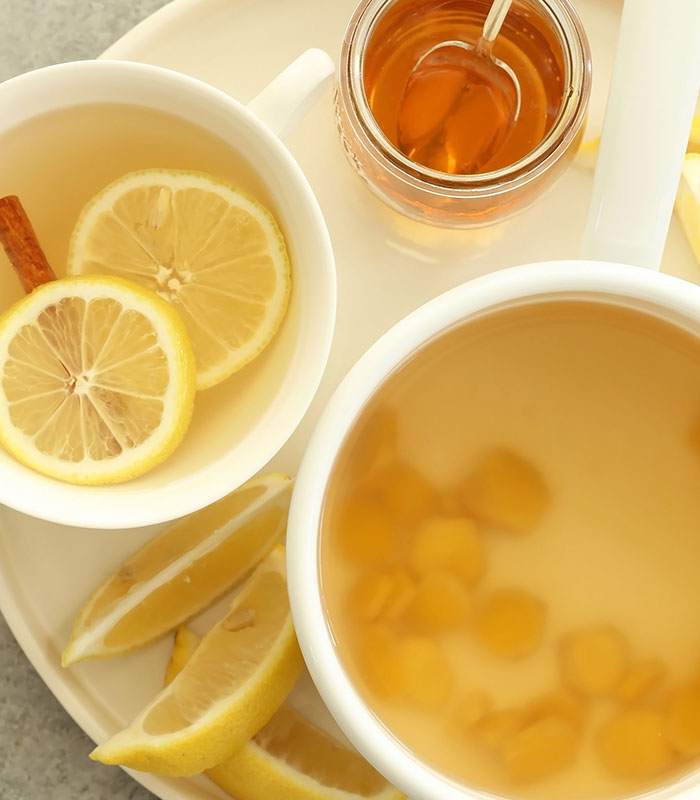
Immune Boosting Ginger Tea
This Immune Boosting Ginger Tea is a warm and soothing tea rich with nutrients that provide anti-inflammatory, detoxifying and immune-boosting properties.

Ginger Chicken
This homemade Ginger Chicken is amazingly easy to make right at home, with a delicious spicy ginger sauce. You might like it more than the restaurant version.
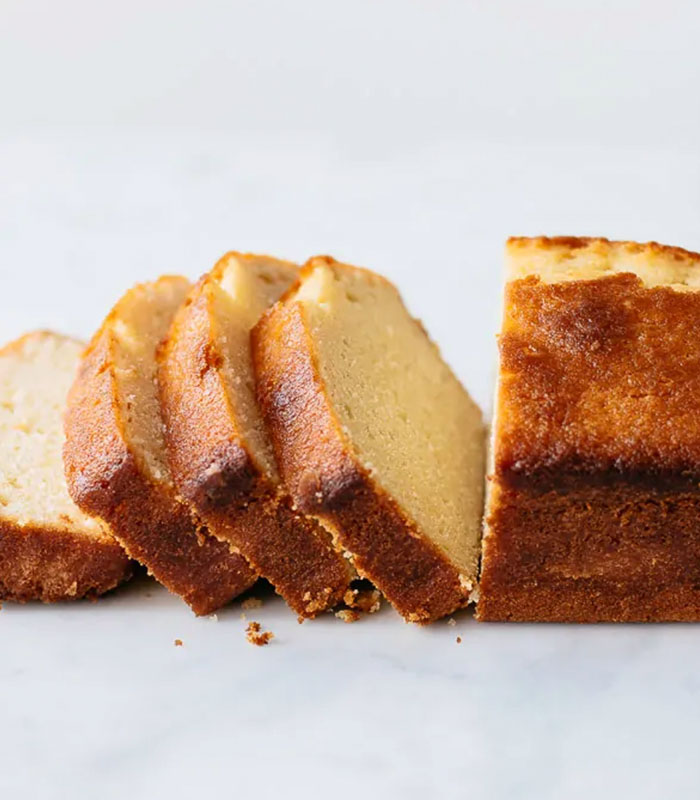
Lemon Ginger Cake
There’s something comforting in the simplicity of a basic cake alongside a cup of coffee. This is a moist, slightly sticky cake with a crunchy crust, lemon tang, and just a little bit of fresh ginger for a subtle warmth.

Contact Us
Complete the form below
or call us on +27 (0)11 825 0659

We'd like to hear from you
Our team of experts is on hand to answer your questions.
In compliance with the new POPI Act, please take note of our Privacy Policy