

Onions
Nutritional Benefits
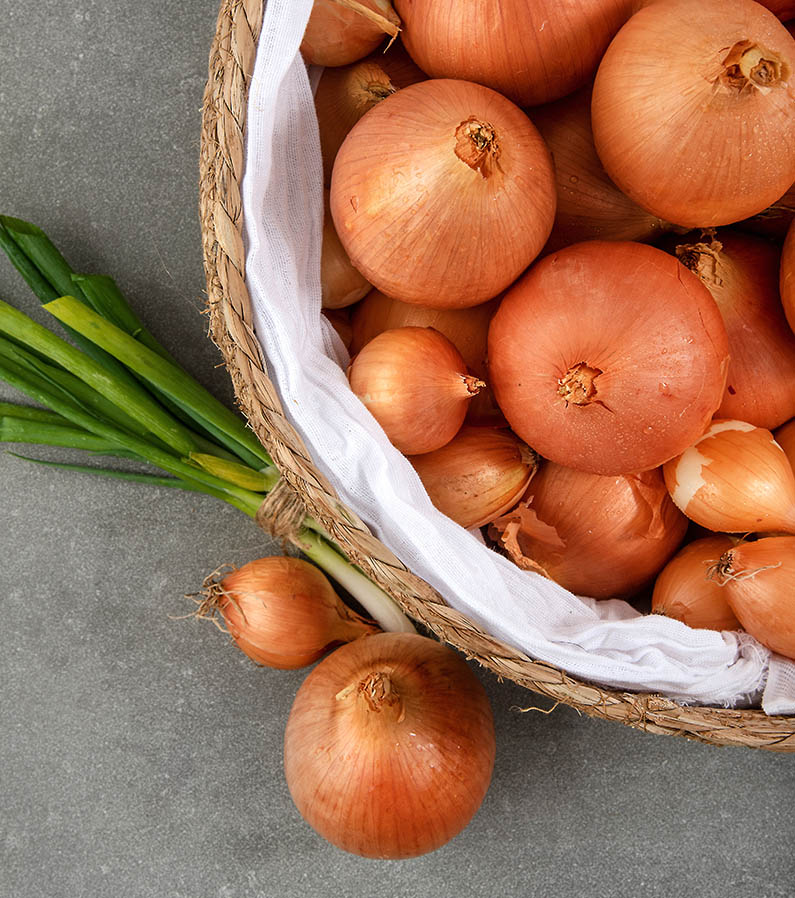
Onions are anti-bacterial, antiseptic and anti-inflammatory that helps in reducing inflammation and preventing breakouts. The vitamin content, especially vitamin C present in onion helps nourish our skin, making it healthy and glowing. Not just your skin, but onions take care of your lips too.

The plant
Onion (Allium cepa L. , member of the Liliaceae family) is a herbaceous bulbous plant that is cultivated for bulb production either as biannual or perennial (depending on the cultivation conditions). It is probably originated in the mountainous regions of Central Asia. Onions are among the most widely adapted vegetable crops, and they can be grown in the tropics as well as in subarctic regions. World production is nearly 85 million tons of bulbs on some 4.4 million ha.
Soil type and pH
Onions can be grown on many soils but medium textured soils are preferred. Optimum pH is in the range of 6 to 7. Fertilizer requirements are normally 60 to 100 kg/ha N, 25 to 45 kg/ha P and 45 to 80 kg/ha K.
Growth period
If you are interested in very thin scallions, you can harvest them 3 weeks or so after planting. If you are looking for slightly bigger green onions, you can harvest those 4-5 weeks after planting. For full-sized onions, you’ll need to wait a bit longer, until the bulbs push out of the ground and mature.
Irrigation
The onion crop requires 350 to 550 mm of water throughout the growth cycle. It is recommended to give frequent, light irrigations which are timed when about 25 percent of available water in the top 30 cm of soil is depleted. Irrigation intervals of 2-4 days are a common practice. Excessive irrigation sometimes gives rise to the occurrence of diseases such as mildew and white rot. Irrigation should be ceased 15 to 25 days before harvest. Late season irrigation might delay maturity and cause skin cracking.

Nitrogen deficiency
Nitrogen deficiencies result in stunted plants with pale green to yellow leaves that dieback from the tips. Also, the foliage tends to be erect and the bulbs are smaller than normal and mature earlier. Excess nitrogen causes rapid plant growth and delays maturity. The bulbs tend to be softer and more susceptible to storage rots.
Phosphorus deficiencies
Phosphorus deficiencies result in slow growth, delayed maturity and a high percentage of thick necked bulbs at harvest. Leaves become a dull green color and dieback from the tips without the yellowing associated with nitrogen and potassium deficiencies.
Potassium deficiencies
Potassium deficiencies result in the foliage initially becoming darker green and the tips of the older leaves begin to wilt, especially on the upper surface. Eventually the leaves droop and take on a satiny progressing to paper-like appearance and develop chlorosis similar to that caused by nitrogen deficiencies.
Magnesium deficiencies
Magnesium deficiencies result in slow plant growth with the older leaves becoming uniformly yellow along their entire length.
Zinc deficiencies
Zinc deficiencies result in stunted plant growth with noticeable twisting and faint interveinal chlorosis of the leaves. Onions are very sensitive to zinc deficiencies.
Molybdenum deficiencies
Molybdenum deficiencies result in poor emergence and seedling death. As the plant grows, leaves will dieback from the tip with a noticeable soft transition zone between the healthy and necrotic tissue. Onions are very sensitive to molybdenum deficiencies
Manganese deficiencies
Manganese deficiencies result in slow growth, delayed maturity and a high percentage of thick necked bulbs at harvest. The older leaves develop interveinal chlorosis, which progresses to a tip-burn, and they may curl and eventually become necrotic. Onions are very sensitive to manganese deficiencies.
Boron deficiencies
Boron deficiencies result in distorted and stunted plant growth. Leaves become brittle and may turn a gray-green to a blue-green color. Young foliage may be a mottled yellow green while older leaves become chlorotic with tip dieback and sunken areas. Transverse yellow lines that develop into cracking can occur near the base of the leaves.

Fertilisation Timing
It’s best to fertilize the soil in your onion patch before you plant the onion seedlings or sets. Choose a timed release, balanced granular fertilizer, like 10-10-10 or 12-12-12. Mix it into the soil before planting. An easy way to accomplish this is to scatter the granules on the ground and then till the soil one last time.
Once you are done planting, you shouldn’t have to fertilize your onion patch again until next year.
Sowing and Planting Time
In warm short-day areas that are frost free or receive little frost, you can sow in late February and March and transplant when the plants are ready. In cold short-day areas, sow in April and transplant in July.
Planting Method
There are three different ways that onions can be planted: by sets, transplants, or direct seeding. Sets are grown from seeds and produce small bulbs, and then become dormant. The planting of sets and transplants can be beneficial because onions are ready to harvest one to two months earlier than onions planted by direct seeding.
Fresh from the Kitchen
using Onions
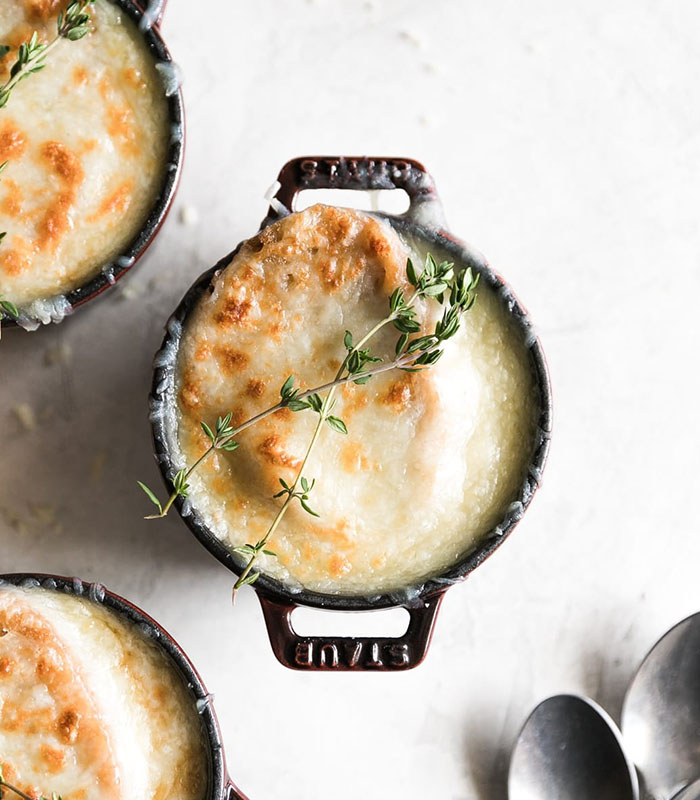
Classic French Onion Soup
This rich, flavorful, classic french onion soup is easy-to-make with caramelized onions, beef broth, toasty bread and melty cheese. Perfect weeknight meal or for date night in!

Golden Baked Onions
These golden baked onions bring out the sweet and rich natural flavour of the onions by combining cream and mozzarella. This recipe is easy to make, all you need is enough time to bake them in the oven.
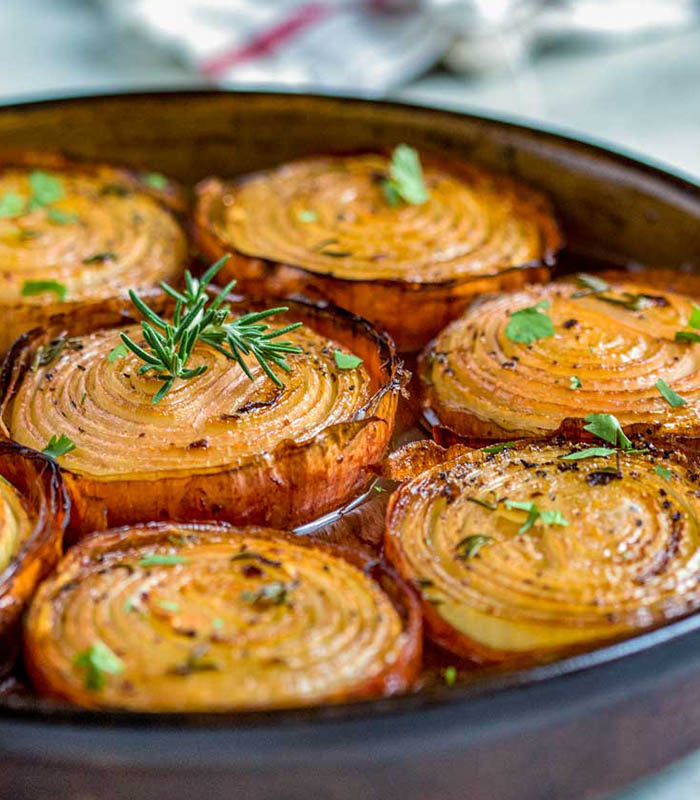
Slow Roasted Onions
These Marinated Slow Roasted Onions are a side dish that are worth you taking a look at. Really, these onions caramelize while roasting in a bath of red wine vinegar, brown sugar and spices.

Contact Us
Complete the form below
or call us on +27 (0)11 825 0659

We'd like to hear from you
Our team of experts is on hand to answer your questions.
In compliance with the new POPI Act, please take note of our Privacy Policy